A Rebel Publisher Redefining the Industry
In a publishing world dominated by large corporations and traditional distribution chains, the independent American publisher OR Books has emerged as a distinctly different experiment—one that not only produces books but seeks to reshape the rules of the industry itself. Founded in 2009 in New York City, the company has become a prominent voice in what can be described as “alternative publishing,” blending intellectual boldness with technological innovation.
Origins: A Cultural Project with a Critical Vision
The company was founded by John Oakes and Colin Robinson, both seasoned figures in the independent publishing world. The launch came at a time when the industry was grappling with distribution challenges and a decline in print readership. In response, the founders chose to create a model that runs counter to mainstream publishing norms.
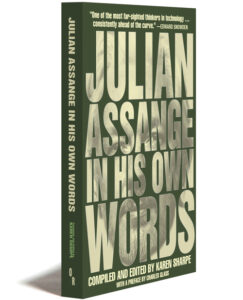
From the outset, the publisher positioned itself as a platform for what it calls “dissenting voices”—authors and thinkers who challenge dominant political and cultural narratives. This clear editorial stance quickly gave the company a distinctive identity within the American literary landscape.
Publishing Philosophy: Fewer Titles, Greater Impact
Unlike major publishing houses that release hundreds of titles each year, OR Books follows a highly selective approach, publishing only one or two books per month. This strategy allows each title to receive focused editorial attention and tailored promotion, turning every book into a standalone intellectual project.
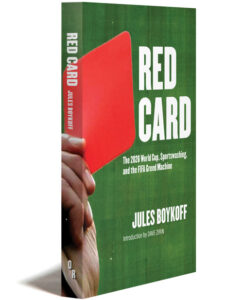
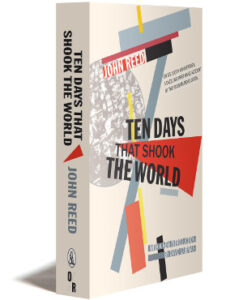
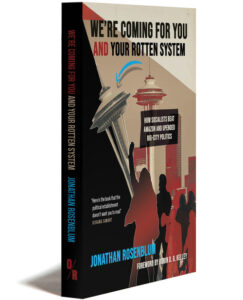
The publisher’s catalog reflects a deliberate balance between established voices and emerging writers. Its list includes prominent figures such as Noam Chomsky, Slavoj Žižek, and Yoko Ono, alongside new authors at the beginning of their careers.
A Different Business Model: Direct to the Reader
One of the company’s most distinctive features is its business model. It relies heavily on print-on-demand technology and digital publishing rather than large print runs that often result in unsold inventory.
Moreover, OR Books sells directly to readers through its website, bypassing traditional intermediaries. This approach reduces costs, accelerates the publishing process, and allows the company to respond quickly to current events—something that conventional publishing timelines often struggle to achieve.
Bold Content: Politics and Culture at the Core
The publisher’s output is deeply rooted in political, social, and cultural discourse. Its books frequently address sensitive and pressing issues such as war, human rights, climate change, and the global economy.
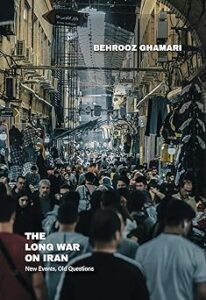
The company first gained widespread attention with a satirical book about Sarah Palin, which became an early commercial success and helped establish its reputation. Since then, it has continued to release works that engage critically with global conflicts, including those in the Middle East, offering perspectives that often diverge from mainstream media narratives.
Innovative Promotion: Beyond Traditional Marketing
Innovation at OR Books extends beyond content to include its promotional strategies. The publisher makes extensive use of digital media, including video content, live-streamed events, and online discussions, rather than relying solely on conventional marketing channels.
This approach reflects a sophisticated understanding of how reading habits and audience engagement are evolving in the digital age, where books are increasingly part of a broader media ecosystem.
Between Independence and Influence
Despite its relatively small size, OR Books has established itself as one of the most influential independent publishers in the United States. Its impact stems not only from the books it publishes but also from the model it represents—one that prioritizes editorial freedom, responsiveness, and innovation over adherence to traditional market constraints.
Conclusion
At a time of rapid digital transformation and intensifying global political debates, OR Books stands as a compelling example of how publishing can evolve without losing its intellectual edge. It demonstrates that books can still play a vital role in public discourse—provided they are supported by a publisher bold enough to challenge conventions and imaginative enough to find new ways of reaching readers.