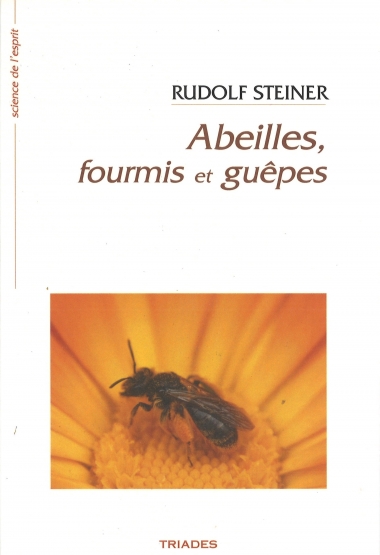
When Rudolf Steiner was in Dornach, he readily answered questions from the workers building the Goethe-Inn. Beekeeping and honey production were booming at the time, leading to his famous series of “Conversations on Bees,” which offered insightful perspectives on the role of insects and their relationship to the environment.
hese were not theoretical lectures, but rather spontaneous dialogues in which Steiner addressed diverse topics, such as the impact of bees on flowers as they forage, the role of toxins, particularly formic acid, in helping soil resist decomposition, and the importance of honey in the human diet. He also warned of the dangers of intensive, artificial beekeeping, which he predicted would threaten bee populations within the next hundred years. Eighty years later, one wonders whether the use of the “gaucho” system today is the sole cause of the mass die-off of bees, and whether there are deeper realities behind this catastrophe.