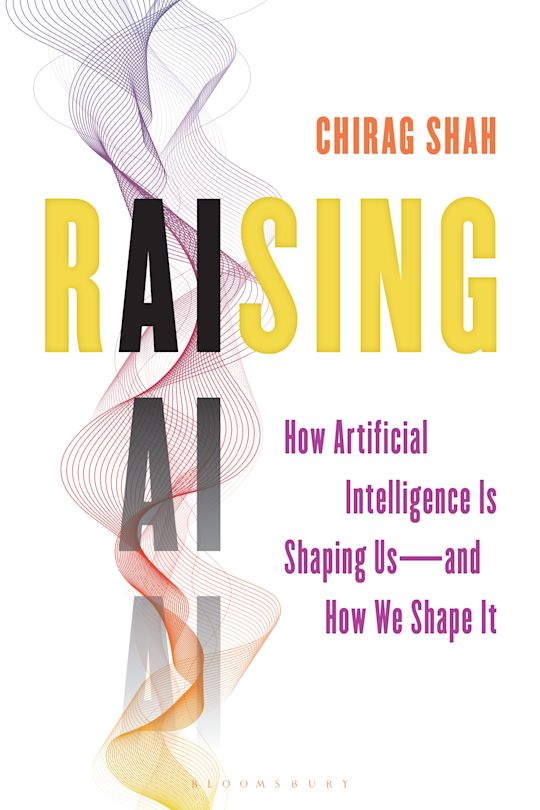
Every AI system needs to interact with humans, and AI affects almost every aspect of human interaction with digital technology, from simple word processing programs to self-driving vehicles. This book explores these rich, human aspects of AI: how AI can inform user experience design, and how effective user interfaces can support AI.The term artificial intelligence has become increasingly present in the news and commercials. Some of it is just hype, while others are radically transforming the way we live, work, and view ourselves as humans. For AI to be truly useful, its developers need to understand the people who use their systems.Human-computer interaction (HCI) is an academic research field that studies how humans interact with digital technology, and a design discipline that seeks to improve digital systems to meet the needs of users. In both human-computer interaction research and practical user experience design, artificial intelligence is a key component. This book provides guidelines and methodologies for designing and evaluating artificial intelligence-based systems, including intelligent environments and web applicationsAnd smart phones.
This research also examines how AI can contribute to the hidden work of UX designers, and how improved user interfaces can help AI developers understand the complexities of large, seemingly intractable AI models. The research includes an examination of explainable AI, and a discussion of broader societal issues, including the risks of bias in AI.The book's website contains extensive additional material, including case studies, further reading, slides, videos, interactive demonstrations, and a comprehensive glossary of terms in both artificial intelligence and human-computer interaction.