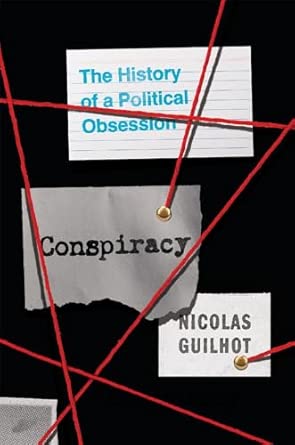
A bracing intellectual history that illustrates how the modern and contemporary obsession with conspiracy theories stems not from the slipperiness of truth but from the inability to imagine a positive future.
Pundits, scholars, and the general public alike have argued that conspiratorial thinking is the greatest threat to liberal democracy. Nicolas Guilhot, however, challenges us to see conspiracy theories as a sign of the public’s desperation in light of liberal democracy’s failures. Conspiracism is widespread across the political spectrum, as citizens struggle with their disenfranchisement. How are we to imagine the future at the purported “end of history”? And how might this impasse make us susceptible to hallucinations and paranoia?
Conspiracy shows that narratives of conspiracy historically gain popularity when politics ceases to offer hope and apocalyptic thinking becomes a last refuge. Taking the reader from Karl Popper’s coining of the term “conspiracy theory” in 1948 through the essential commentary of Hannah Arendt, Alexandre Koyré, Richard Hofstadter, and others, Guilhot reveals how the fear of conspiracies has always operated against a backdrop of antagonism between the powerful and the many, the rich and the poor, the oligarchy and the masses. Today’s fear of a grand plot is no exception.