Conscientious Objectors and the Boundaries of State Power in East Germany in the 1960
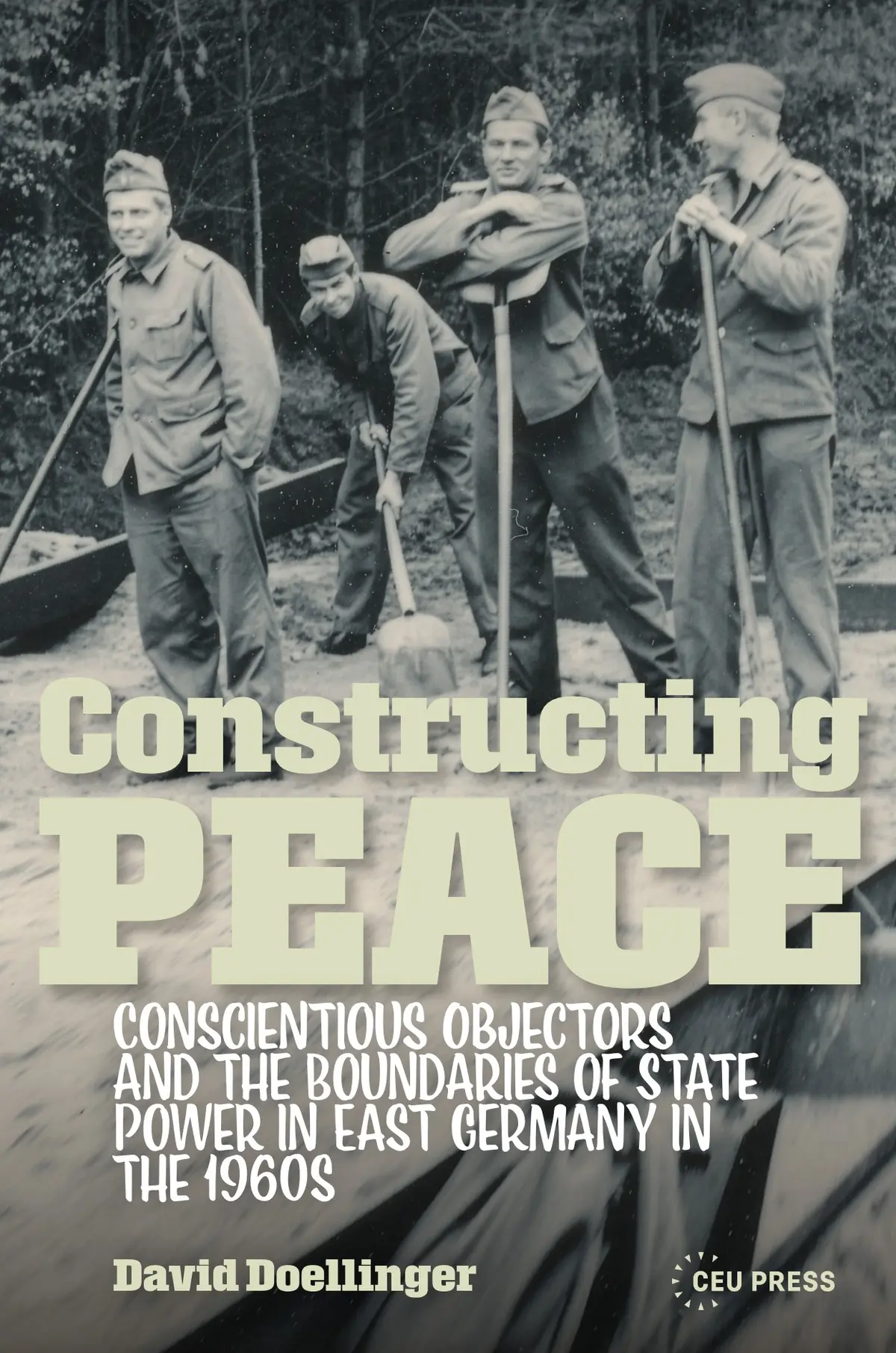
In 1964, East Germany introduced an alternative, unarmed military service that recognized religious belief as a basis for conscientious objection. In a new category of military unit, pacifists performed construction tasks. While accepting a compromise to wear a military uniform, many construction soldiers (Bausoldaten) refused to conform to the military’s expectations. Some refused to take the service vow and to work on projects with a direct military orientation. They established the principle that there was more to Bausoldat service than simply getting through the eighteen months of wearing a uniform. As civilians, they continued their advocacy by forming networks and local peace groups that became the foundation of a broader social movement committed to peace. Drawing on oral history interviews, Party-State files, military and secret police documents, and church records, Constructing Peace focuses on the development of this activism amongst the first two cohorts of Bausoldaten in the mid-1960s.