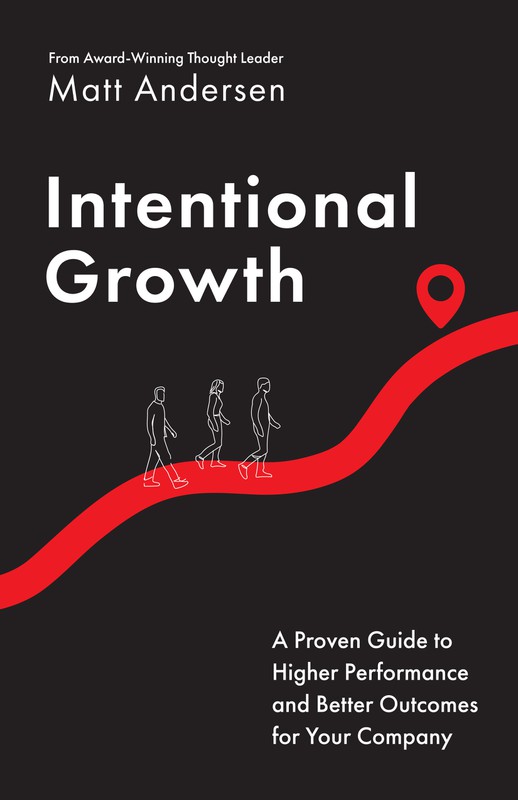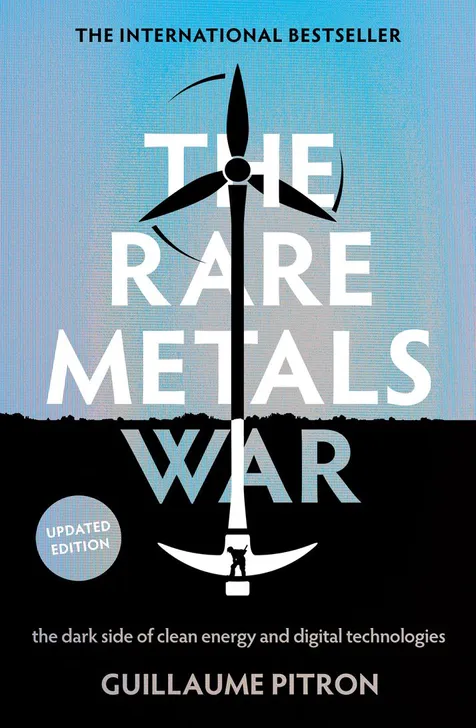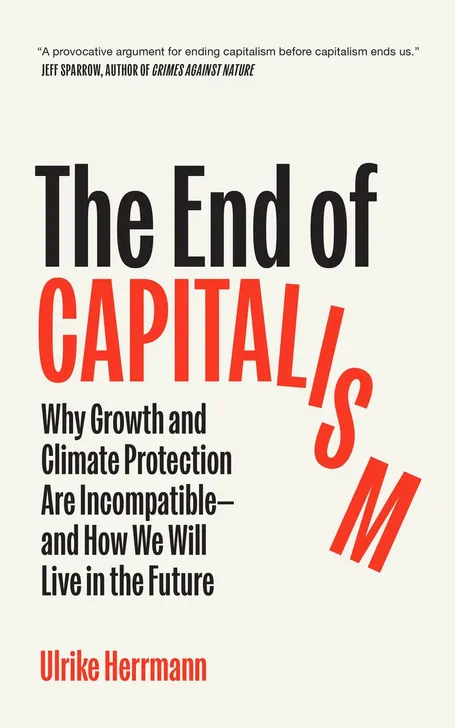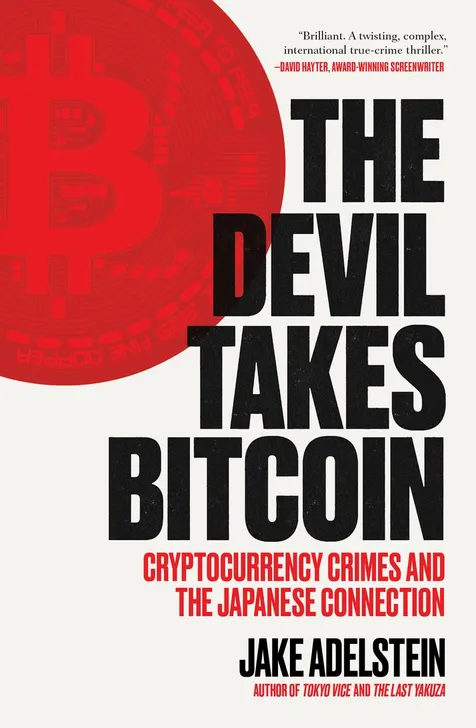
The important academic and intellectual work titled in Arabic under the name The Economists and Economics in Policy Making reviews historical stations and methodological visions**. This text presents a comprehensive and in-depth narrative study that takes us back to intellectual and economic history to explore how economic theories and the scholars who formulated them influenced the formation of political decisions and the general orientations of countries across pivotal time stations in modern and contemporary history.The narrative in this work revolves around analyzing the mutual interaction and complexities accompanying the relationship between theoretical economic analysis and practical application in the corridors of governance and decision-making. The author explains how economic thought moves from textbooks and academic forums to the field of direct implementation and the accompanying political and social challenges and pressures that faced economists as they attempted to translate theories into concrete financial, monetary, and development policies that directly affect the lives of societies.Throughout the book, the author focuses on reviewing specific historical cases and applied models that witnessed intellectual conflicts between different economic schools. He shows how crises and major economic transformations contributed to reshaping the methodological approach of decision makers and how tools and analyzes developed to suit the requirements of each stage. Therefore, the narrative highlights the importance of an integrated, systematic understanding of the history of economic thought in order not to repeat the mistakes of the past and to ensure the construction of future policies that are more efficient and flexible in the face of challenges.Growing global economy.
The language of the text is characterized by sobriety, flow, and intellectual fluidity, which takes the reader on an enjoyable analytical journey that combines history, economics, and politics in a connected narrative form that is completely devoid of points and divisions, which enhances the coherence of ideas and their comprehensive vision and makes this report a distinguished reference for everyone interested in understanding the behind-the-scenes of economic decision-making and the role of experts and theories in directing the paths of nations throughout history.