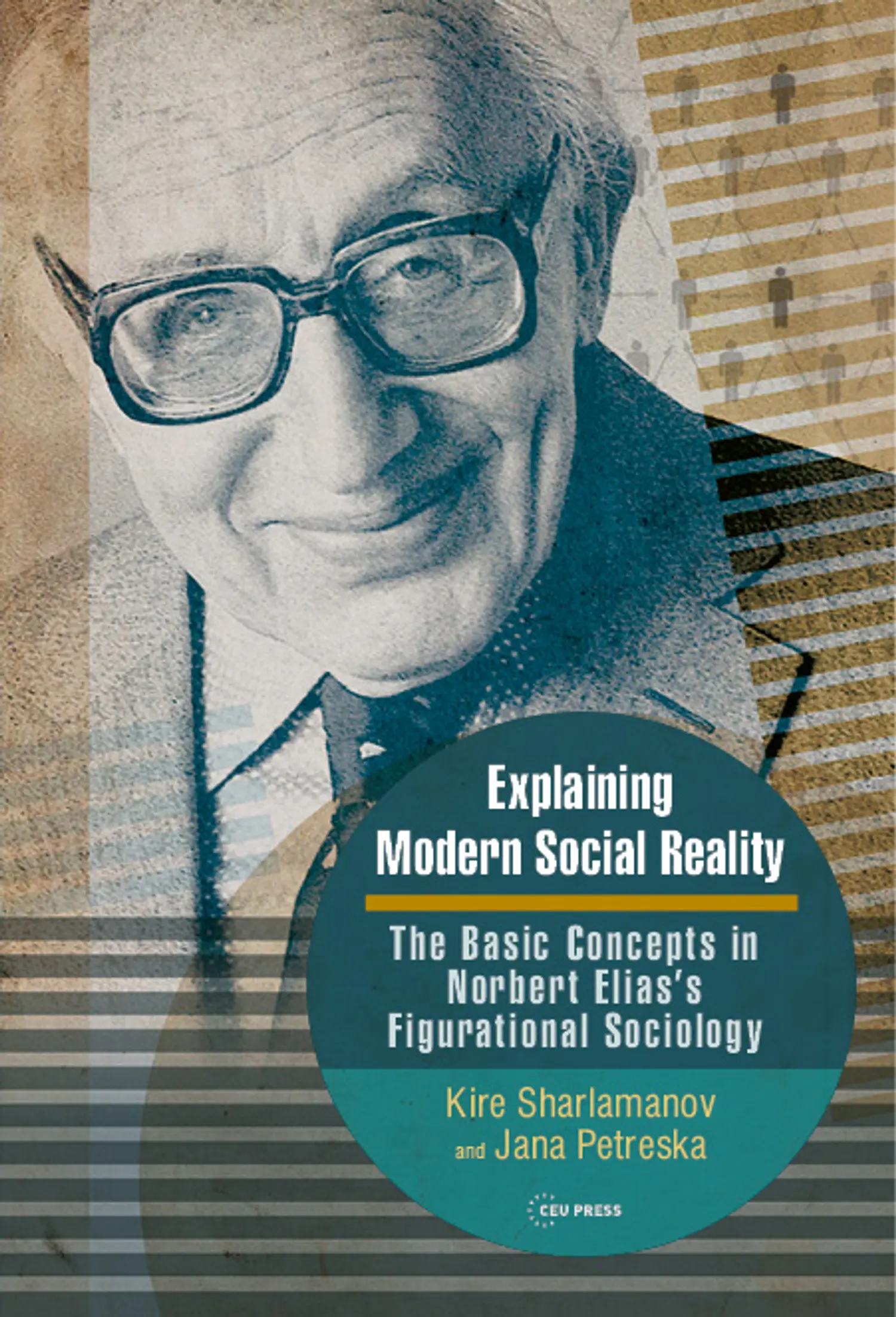
We rarely find thinkers who have influenced our understanding of modern civilization as profoundly as Norbert Elias. This book provides an easy introduction to his main ideas, presenting his complex concepts in a clear and engaging manner. Through an account of the life of Elias (1897-1990), the book places his thought in the historical and intellectual context that shaped it.Elias's pioneering book, The Urbanization Process, is the focus of the discussion, with a particular focus on class structures, changing patterns of behaviour, and the development of the modern state. The book also explores formative sociology, one of Elias's most important contributions to social theory.An innovative and creative thinker, Elias challenged prevailing notions and introduced new analytical tools, including the influential concept of habitus. The chapters address his theory of knowledge, his reflections on violence and the dissolution of civilization, his analyzes of nations and nationalism, and his work on emotions and shame.The book also examines Elias' dialogue with prominent thinkers such as Edmund Husserl, Karl Mannheim, Max Weber, Sigmund Freud, and Talcott Parsons, showing how he reinterpreted their ideas in distinctive ways. The book concludes with an overview of the most important criticisms directed at Elias's works and their continuing importance to this day.
Explaining Modern Social Reality The Basic Concepts in Norbert Elias’s Figurational Sociology
شرح الواقع الاجتماعي المعاصر: المفاهيم الأساسية في علم الاجتماع التكويني لنوربرت إلياس
Not Translated
Listen to book
Bibliographic Data
| Author | |
|---|---|
| Publisher | Amsterdam University PressWebsite |
| Publisher Address | info@aup.nl |
| Country | Netherlands |
| Primary Category | Social Studies |
| Published | 2026 |
| Language | English (EN) |
| Pages | 276 pages |
| Edition | The first |
| Dimensions | 15×23 |
| ISBN | 9789633866610 |
| Translation | Not Translated |
About Kire Sharlamanov
Kire Sharlamanov is Professor of Sociology at the International Balkan University in Skopje, North Macedonia, where he teaches courses in political sociology and the analysis of contemporary societies. His research explores ideology, democratic transformations, and the symbolic dimensions of politics through a synthesis of classical sociology and contemporary discursive theory. He is the author of several books and numerous scholarly articles
About Jana Petreska
Jana Petreska is a psychologist whose work examines emotions, identity, and the social formation of personality through the ideas of Norbert Elias.