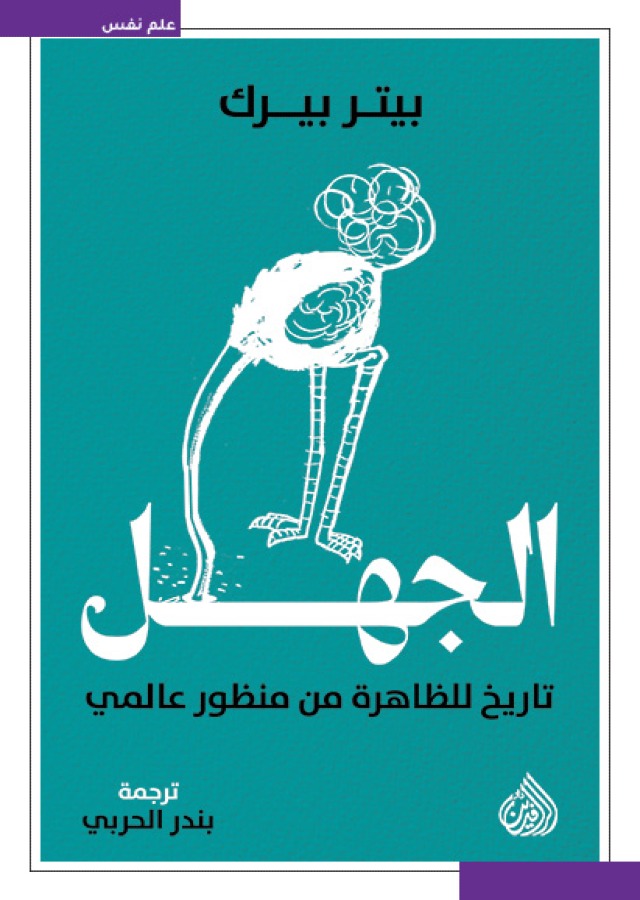
Throughout history, each generation has believed that it possesses deeper knowledge than the generation before it. The Arabs described the period before the advent of Islam as the era of "Jahiliyyah" (ignorance). Humanists called the Middle Ages the "Dark Ages." In the Age of Enlightenment, ignorance was seen as the foundation of authoritarian regimes, intolerance, and superstition, which the enlightened hoped to eliminate by ushering in an era dominated by reason and knowledge.Today, modern nations strive to eliminate the "monster" of ignorance in a world brimming with information and closely connected to its ever-evolving horizons. What about the knowledge that has been lost over time? Are we really less ignorant today than our ancestors?The book presents an overview of the history of the phenomenon of ignorance that has accompanied humanity in various fields such as religion, science, politics, wars, business, and natural disasters. It examines numerous historical examples that shed light on various forms of ignorance, whether it is ignoranceWhether intentional or unintentional, conscious or unconscious; leading to an in-depth exploration of human knowledge throughout the ages, and the recognition of its limits.
Ignorance: A Global History
الجهل | تاريخ للظاهرة من منظور عالمي
Translated
Listen to book
Bibliographic Data
| Author | |
|---|---|
| Publisher | Dar Al-Rafidain for printing, publishing and distribution |
| Publisher Address | info@daralrafidain.com |
| Country | Lebanon |
| Primary Category | Philosophies and Cultures |
| Published | 2025 |
| Language | Arabic (AR) |
| Pages | 400 pages |
| Edition | First |
| ISBN | 978-9-9227214-6-0 |
| Translation | Translated |
About Peter Burke
Peter Burke is Professor Emeritus of Cultural History at the University of Cambridge. He is the author of several outstanding books that have been translated into more than thirty languages, including "The Encyclopedist" and "What Is the History of Knowledge?".