Legal discrimination against Chinese in the United States began in 1852, when California imposed a tax on foreign gold miners, which was explicitly designed to exploit Chinese labor.
Over the next 70 years, officials in California, Oregon, Washington, and other Western states enacted more than 5,000 laws that marginalized and restricted Chinese residents. Long before the Chinese Exclusion Act banned Chinese immigration, these laws restricted activities and opportunitiesChinese already residing in the United States.
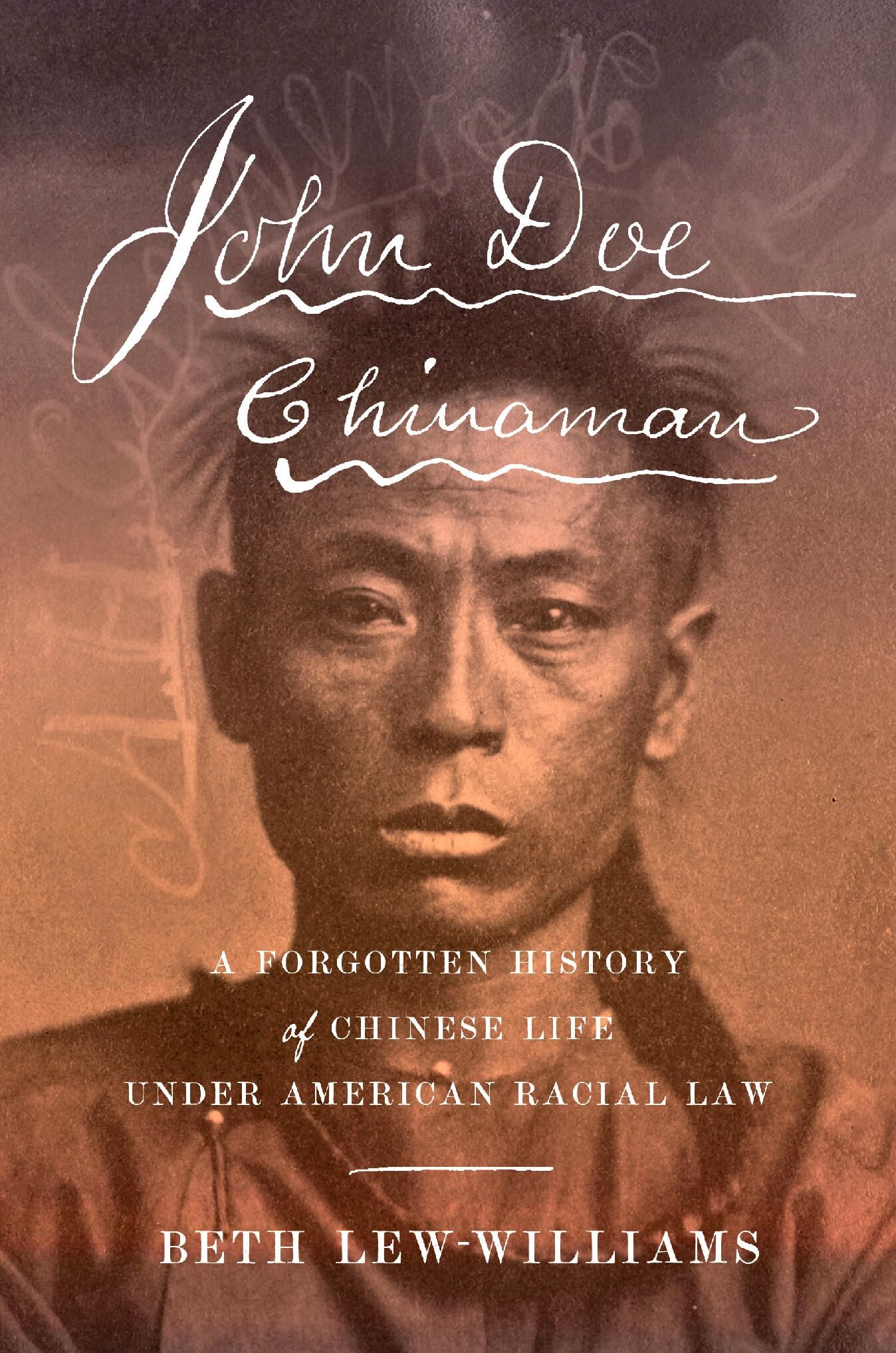
In this engaging narrative, Beth Liu Williams describes a legal structure reminiscent of Jim Crow laws, but tailored to people often referred to in official records by names like “Chinese John Doe” or “Chinese Mary.” These laws, enforced by police and tax collectors, as well as teachers, missionaries, and neighbors, gave the Chinese only limited access to American society, which was far from equality or belonging.They reinforced stereotypes of the Chinese population as criminals, invaders, and predators, and imposed restrictions on everything from health care and education, to property ownership and business formation, to kinship customs. However, in the face of these constraints, Chinese societies have shown resourcefulness and intelligence.
Many fought, evaded, and manipulated these laws, finding ways to preserve their forbidden traditions, resist unfair treatment in court, and insist on their political rights.Drawing on dozens of archives across the western United States, Chinese John Doe reveals the depth of discrimination against the Chinese beyond federal exclusion, and tells the stories of those who refused to accept a conditional place in American life.