We encounter the idea of intelligence everywhere in our modern lives. Parents are told that their children will grow up smart if they are made to listen to Mozart, play with the right toys, and eat the healthiest foods. Schools and universities plunge everyone into the ruthless world of testing and academic competition. We are told repeatedly that some of the richest and most successful people in society – the tech pioneers, CEOs or financial wizards – are rich and successful precisely because they’re so smart. And we now have to worry about the impact of artificial intelligence on our jobs, our societies, and the very survival of our species.
Intelligence, then, is an idea that infuses our world, and one that we think matters. This hasn’t always been the case. Like all ideas, intelligence has a history.
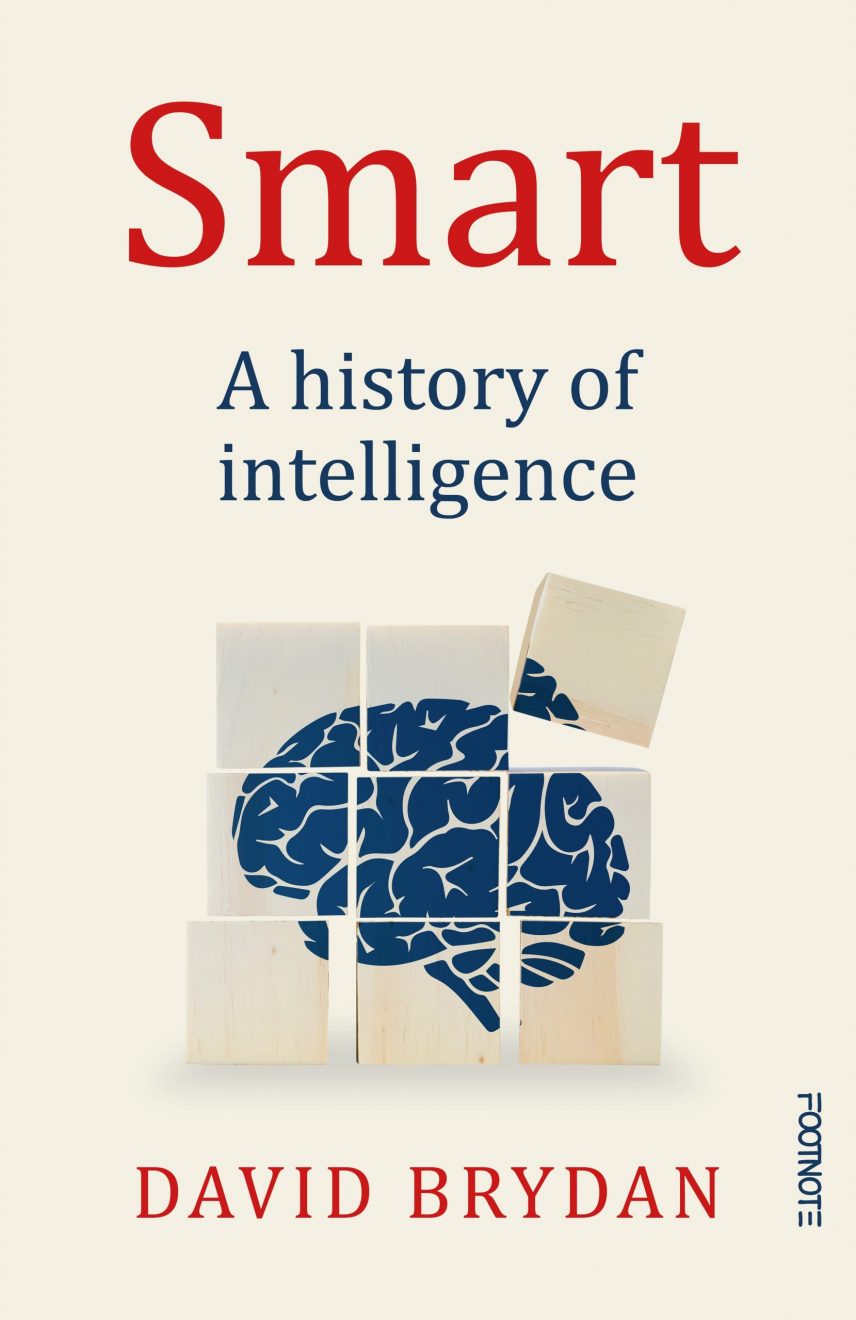
Smart draws on the history of science, politics, and popular culture to uncover the stories of the people and projects that built the idea of modern intelligence – the men and women who created Mensa, the priest who built a village for gifted children in the mountains of Sicily, and the plan to boost the intelligence of the Venezuelan people by teaching them lateral thinking skills. These stories also reveal the dark side of intelligence, an idea that drove the modern counter-revolution against equality.