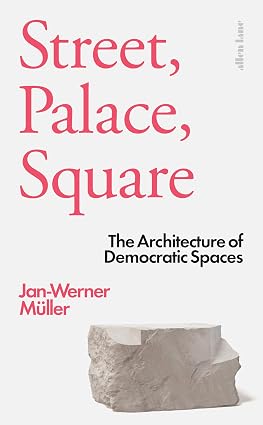
Can architecture be democratic? An elegant and timely new theory on urban politics and design from the prestigious author of What is Populism? and TheRules ofDemocracy.
Building requires energy and resources, and after it is created, our surroundings shape how we interact with each other. But what would a democratic built environment look like par excellence? Should we prioritize an inclusive process that enables as many citizens as possible to participate in the design of buildings? Or is it about how geometry is representedArchitectural and urban spaces of democracy for citizens in the best way, and how can building and city planning concretely facilitate the democratic work of citizens?
In his book The Street, the Palace, the Square, political theorist Jan-Werner Müller offers an elegant new view of the relationship between architecture and democracy, drawing on examples from Washington, D.C., to Dhaka, and from Cairo to Berlin. Covering a variety of topics including political philosophy, history and design, he shows that the combination of architecture and democracy carriesUnexpected interest.
As we reflect on spaces and symbols on the one hand, and on our understanding of democracy on the other, we may see possibilities we have not seen before: how to create spaces for citizens to make politics their own.