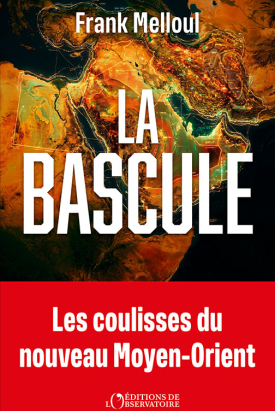
In his new book, "La bascule", Francophone diplomat and media personality First Millol provides an intense behind-the-scenes reading of the sharp geopolitical transformations that the Middle East region has witnessed in recent times. The author, who works as an observer and politician following field and diplomatic developments from Tel Aviv, deals with the course of the Middle East from the diplomatic euphoria that accompanied the signing of the Abraham Accords to the shock of the explosion on October 7, all the way to the features of the new regional order formed onThe crisis occurred.
The central thesis of the book is to deconstruct the argument that the events of October 7th destroyed the Abraham Accords. Melul believes that these events did not bury the regional diplomatic path, but rather made the need for a broader and more solid regional framework inevitable and an inevitable imposition to ensure stability.
The narrative trilogy follows the transitions
The author formulates his analysis through a three-dimensional narrative path that reflects historical and diplomatic developments in the region:
- Behind the scenes of the Abraham Accords (2018-2023):In its first section, the book reviews the unannounced details that accompanied the building of bridges of regional normalization, extending from Dubai and Manama to Rabat, all the way to the geo-economic agreements at the G20 summit in New Delhi. Millul highlights how this dynamic was shaped around shared economic and security interests, before it faced a tough test.
- The 7th of October test and diplomatic tremors:The book moves on to talk about the direct repercussions of the conflict, highlighting its international and regional diplomatic repercussions. The author analyzes the gradual decline of French influence in the region as it appeared in speeches, diplomatic plans and international meetings, through the tensions that formed with the positions of Brussels and Paris, the rupture or symbolic distancing with some regional powers, and the direct political and media clash with Ankara.
- Formation of the Middle Eastern “Peace of Westphalia”:4. In the final chapter, Millool presents his basic concept of the emergence of what he calls the “Middle Eastern Peace of Westphalia.” What is meant by this concept is to establish a regional system that does not necessarily eliminate wars, but rather resets conflicts and confines them between specific and well-known states and sovereignties, which reduces the influence of non-state actors, under the weight of international pressure, proposed settlement initiatives, and relevant UN resolutions.
The importance of the book and its critical visionThe book derives its exceptional value from the author's direct access to decision-making circles and Western and Gulf diplomatic centers. The work is based on testimonies and field notes that make the reader follow the details as if inside closed rooms.
"La bascule" draws a new map for a region that redefines its security and sovereignty amid unprecedented turmoil, stressing that the future of the Middle East depends on the ability to transform major crises into new and stable rules of the game.