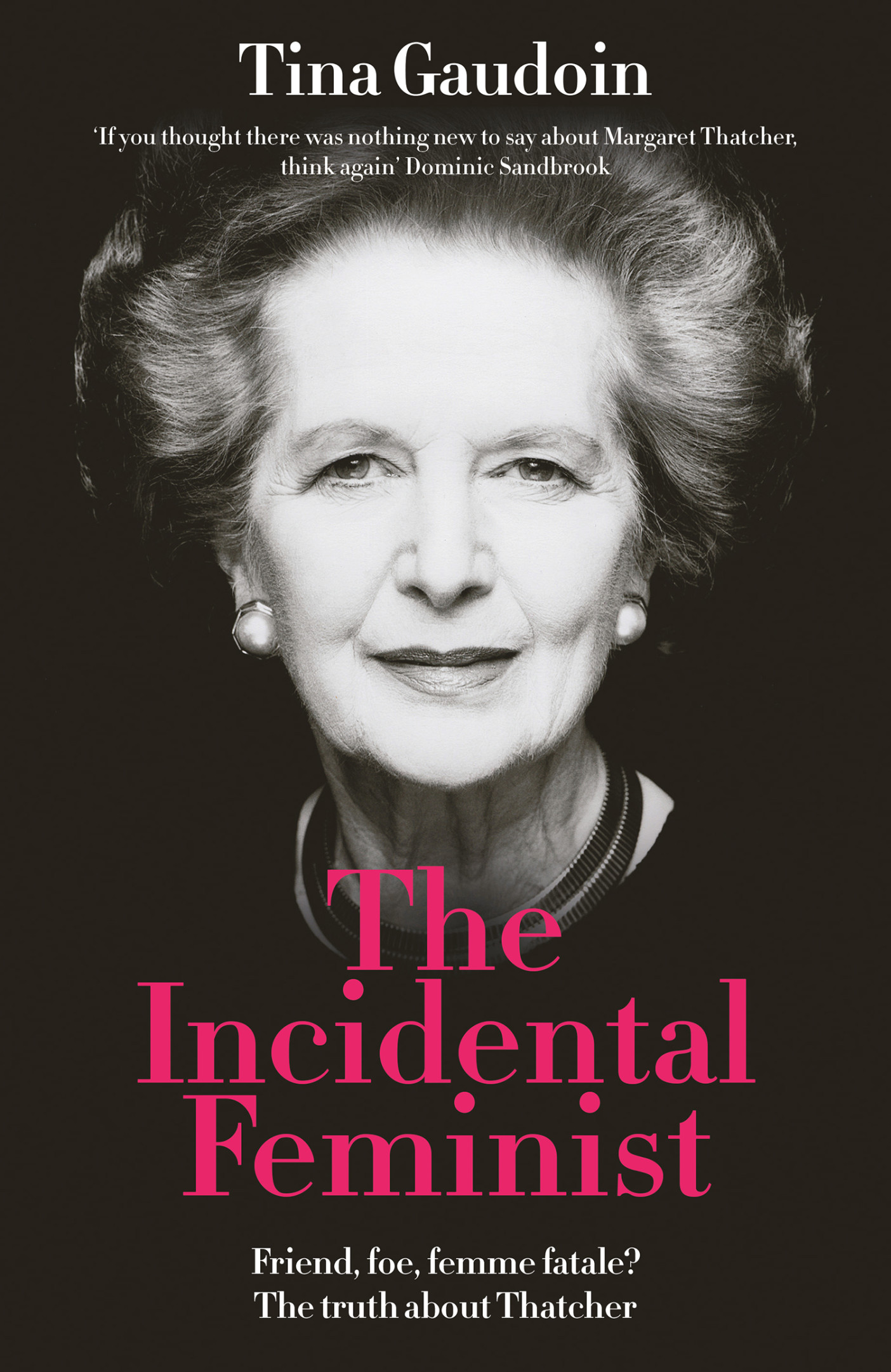
Susie Whitman's Occasional Feminism is a frank sociological and cultural study that explores the contemporary experience of motherhood and femininity in the face of the bureaucratic and social complexities of the 21st century. The author moves away from academic theoretical frameworks and ready-made ideological discourses, to derive her vision from the daily field reality of upbringing, work and child care, revealing how many women rush towards radical feminist attitudes and convictions not by planning or belongingRather, it is the result of a direct collision with the unfair challenges and pressures that institutional and societal structures impose on women once they enter the stage of motherhood.
Whitman highlights the stark paradoxes facing modern women, showcasing the sharp contrast between the crocodile and egalitarian slogans on which girls are raised in schools and work environments, and the actual reality of inflexible working times, prohibitive childcare costs, and the invisible mental and psychological burden of managing lifeFamily. The text reviews lived experiences and everyday situations that reflect how the prevailing economic and social arrangements reproduce traditional gender roles in unspoken ways, putting the mother in front of one-sided and harsh choices that disrupt her career path and increase psychological and material stress.The book goes beyond self-representation to provide a critical analysis of contemporary societies and their policy towards the family and women, calling for a rethinking of the concept of work, productivity and the social value of home care. The author highlights that for many women, the shift towards feminist convictions stems from a sudden awareness of structural dysfunction and the artificial disparity between promises and reality. The book ends with a coherent narrative fabric pulsating with transparency and realism, leaving the reader with a deep understanding of the structural challenges facing families today.Stressing that feminism is not just an abstract intellectual choice, but a practical and necessary response imposed by the circumstances of daily life to the search for justice and human balance.