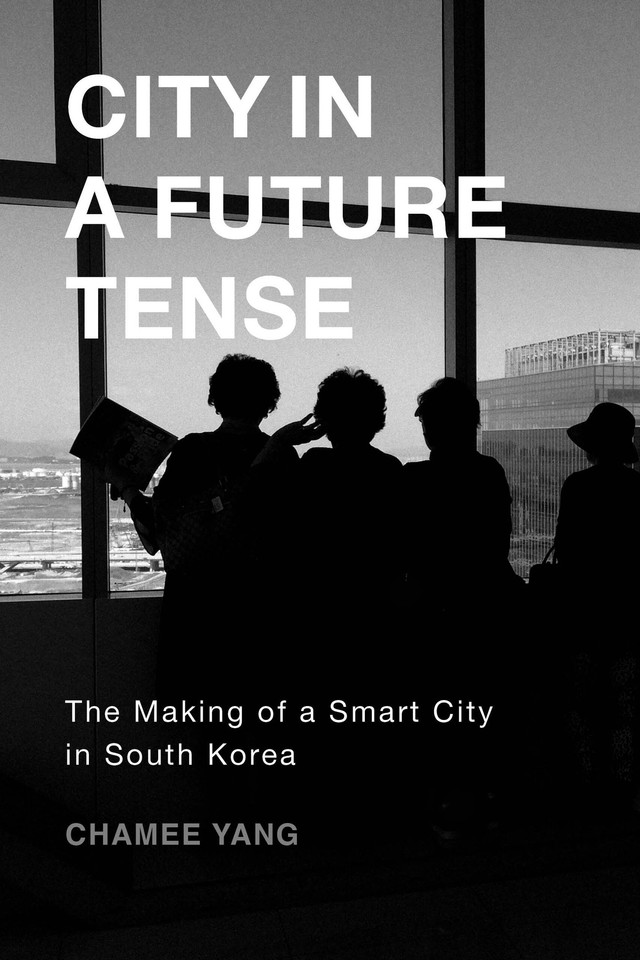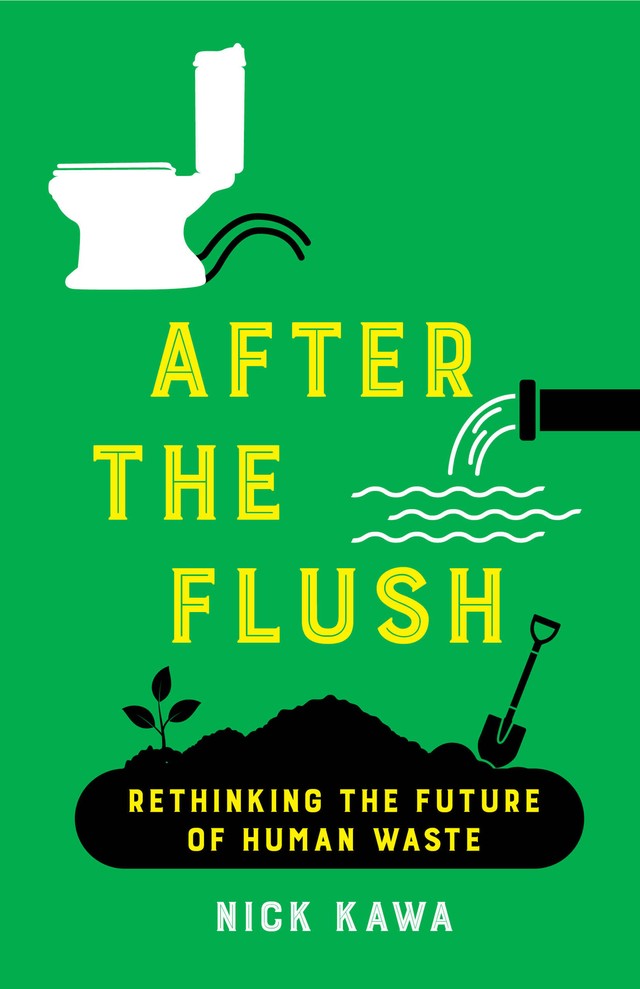
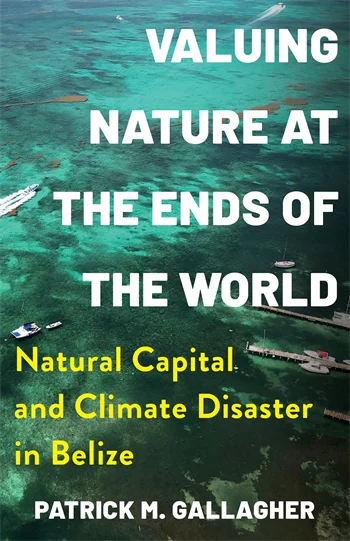
Belize is often described as a "pristine" eco-tourism destination with "naturally valuable" landscapes. However, British Honduras - as the country was known under colonial rule - was viewed for much of the twentieth century as lacking value and as an unprofitable hinterland.Valuing Nature at the Ends of the World explores how Belize's fragile coastal environment has become the site of a new kind of capitalist value production, where landscapes and ecosystems derive their value from their fragility or impending destruction in the age of climate change.Drawing on a decade of ethnographic research, Patrick M. Gallagher provides a critical account of market-oriented conservation in the Caribbean, encompassing aspects of everyday coastal life, emerging environmental science, and climate politics. It shows how long material and social histories of racial colonialism shape the making of technocratic tools for valuing nature.Gallagher traces how new forms of capitalist value emerge from the interplay between the colonial past, contemporary conservation practices, and lived scenarios of disasters and losses caused by impending climate change.
Valuing Nature at the Ends of the World Natural Capital and Climate Disaster in Belize
تقدير قيمة الطبيعة في أقصى بقاع العالم: رأس المال الطبيعي والكوارث المناخية في بليز
Not Translated
Listen to book
Bibliographic Data
| Author | |
|---|---|
| Publisher | University-of-British-Columbia-PressWebsite |
| Country | أمريكا |
| Primary Category | Technologies and Sciences |
| Published | 2027 |
| Language | English (EN) |
| Pages | 320 pages |
| Edition | الأولى |
| ISBN | 9780231215671 |
| Translation | Not Translated |
About Patrick M. Gallagher
Patrick M. Gallagher is associate professor of anthropology at the University of Texas at San Antonio.