From New York’s Literary Buzz to a Structural Shift in Publishing
New York — Founded in the early 1990s, Hyperion emerged as a bold and innovative publishing house, aiming to carve out a place among the major players in the U.S. book market. Its trajectory, however, was far from linear, reflecting the profound structural transformations that reshaped the publishing industry during the first two decades of the twenty-first century.
The Birth of Hyperion and Its Founding Vision
Hyperion Books was launched in 1990 as a publishing imprint owned by The Walt Disney Company, under the leadership of then-CEO Michael Eisner, with Robert S. Miller playing a key role in its establishment. The original idea was to create a general-interest adult publishing house that balanced fiction and nonfiction, while benefiting from Disney’s immense brand power.
The name Hyperion itself was inspired by Hyperion Avenue in New York, the street that once housed Disney’s studios before 1939—an explicit nod to the company’s institutional memory and creative heritage.
Publishing Strategy and Early Commercial Success
From the outset, Hyperion adopted a strategy that set it apart from many traditional publishers. Rather than relying heavily on long-established backlists, it focused on new titles and high-visibility authors, leveraging Disney’s marketing and media reach.
One of its earliest breakout successes was Don’t Stand Too Close to a Naked Man by Tim Allen, which sold more than one million copies. The book played a decisive role in restoring the imprint’s financial stability after several challenging early years.
Integration into Disney Publishing Worldwide
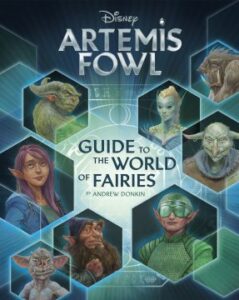
By the late 1990s, Hyperion expanded further within the framework of Disney Publishing Worldwide, particularly in the children’s and young adult segments. Through the Disney-Hyperion imprint, the company went on to publish globally successful series such as Percy Jackson & the Olympians and Artemis Fowl, which became cornerstones of contemporary young adult literature.
This children’s and YA branch would later remain with Disney, even as other parts of the Hyperion brand changed hands.
The End of the Independent Era and the Hachette Acquisition
In 2013, Hachette Book Group announced its acquisition of Hyperion’s adult publishing division from Disney. The deal included more than 1,000 previously published titles, along with future publishing projects.
Following the acquisition, the imprint was officially rebranded as Hachette Books in 2014, while Disney retained ownership of Disney-Hyperion and Hyperion Books for Children, which continued to operate within Disney’s global publishing ecosystem.
Hyperion’s Cultural and Industry Legacy
Although Hyperion no longer exists as an independent adult imprint, its cultural and industrial impact remains significant:
-
A diverse catalog spanning literary fiction, memoirs, biographies, lifestyle, and inspirational nonfiction.
-
Cross-media partnerships with major entertainment platforms such as Disney and ABC, positioning books within a broader media landscape.
-
A lasting presence in children’s and young adult publishing through Disney-Hyperion, which continues to attract new generations of readers.
Looking Ahead: Lessons from Hyperion’s Story
Today, the story of Hyperion stands as a case study in the evolving economics of publishing—one shaped by corporate consolidation, media convergence, and shifting reading habits. Its rise and transformation illustrate both the opportunities and the risks of operating at the intersection of culture and large-scale entertainment industries.
Even after its absorption into larger corporate structures, Hyperion’s legacy endures as a reminder that publishing is not merely a business, but a reflection of broader cultural and technological change.