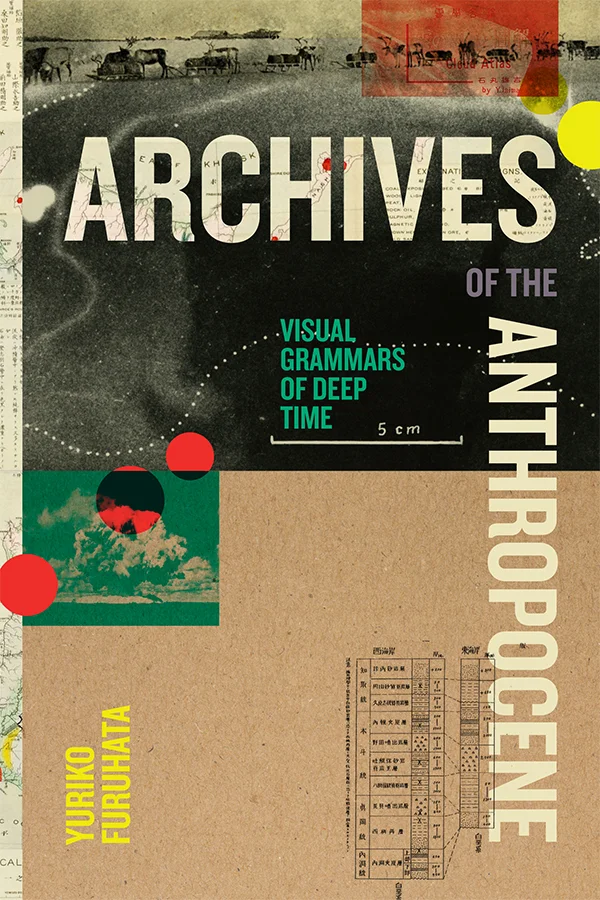
Duke University Press is headquartered in Durham, North Carolina. The publishing house is one of the most prestigious academic institutions in the fields of contemporary scientific and knowledge publishing. The institution is distinguished by its comprehensive publishing plan that combines critical intellectual books, specialized periodicals, and guided reading lists. In the book sector, the publishing house focuses on providing solid research contributions that address pressing societal issues, especially studies of gender and citizenship and their relationship to race, and studies ofThe Anthropocene and Environmental Media. It also pays special attention to highlighting the racial politics of disability, and cultural studies that examine contemporary capitalism and feminism.
In addition to books, academic journals represent a fundamental pillar of the scientific identity of the publishing house. The house publishes peer-reviewed periodicals that combine rigorous academic research with political and social engagement, such as the Journal of Radical History, the Journal of Health Policy and Law, and the Journal of General Culture. The house is a unique historical space for pure mathematics researchand formal logic through leading international magazines; It is led by the Duke Journal of Mathematics, which has been published since 1935, the Illinois Journal of Mathematics, founded in 1957, and the Notre Dame Journal of Formal Logic.
As part of its continuous interaction with emerging global issues, the Foundation provides coordinated reading groups on its website under the title “Reading for Response.” These groups aim to direct academic debate towards addressing climate change and environmental crises, and understanding the dimensions of global migration and its political impacts, in additionTo provide critical perspectives on the role of artificial intelligence in the humanities and the ethical and social implications of its algorithms.