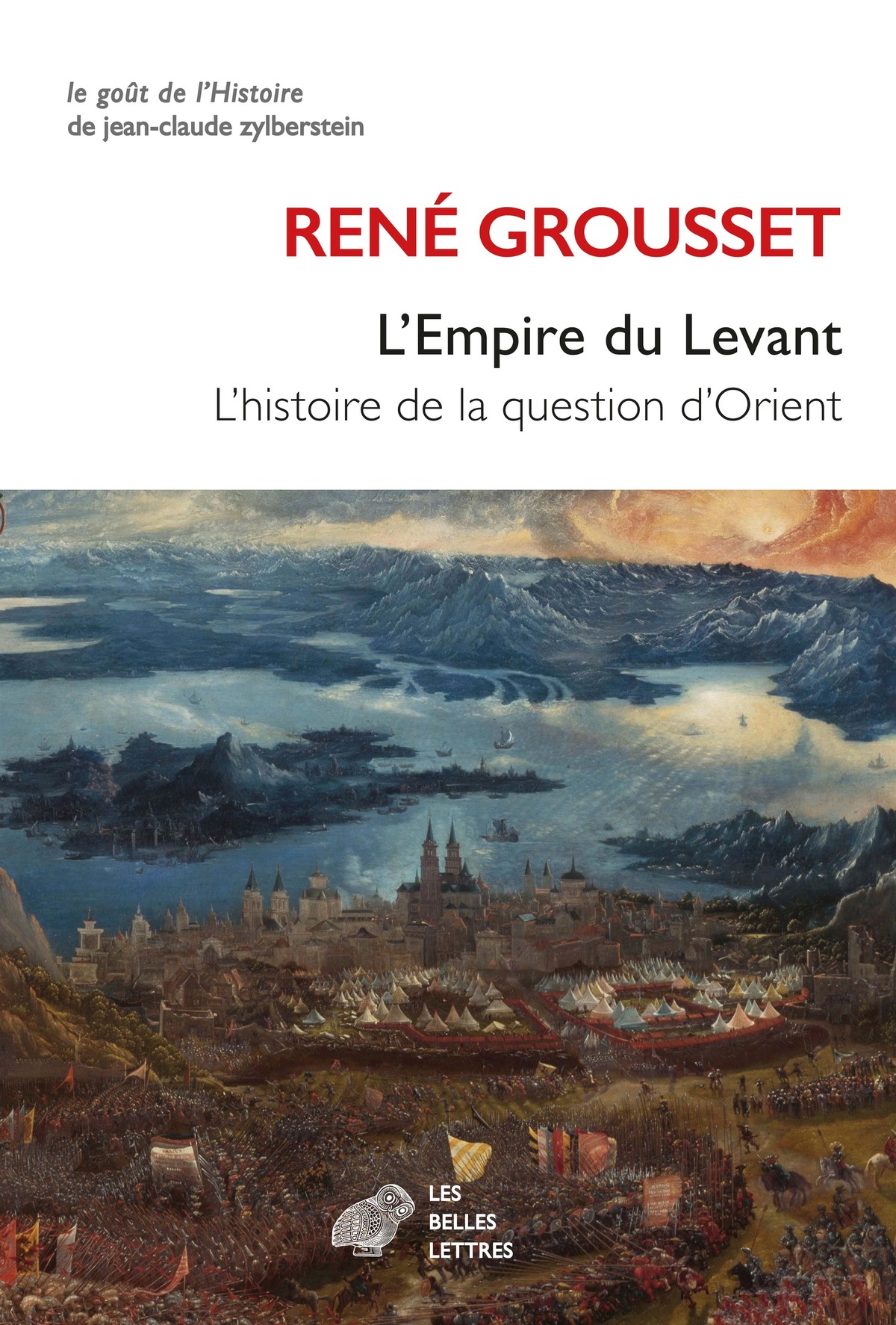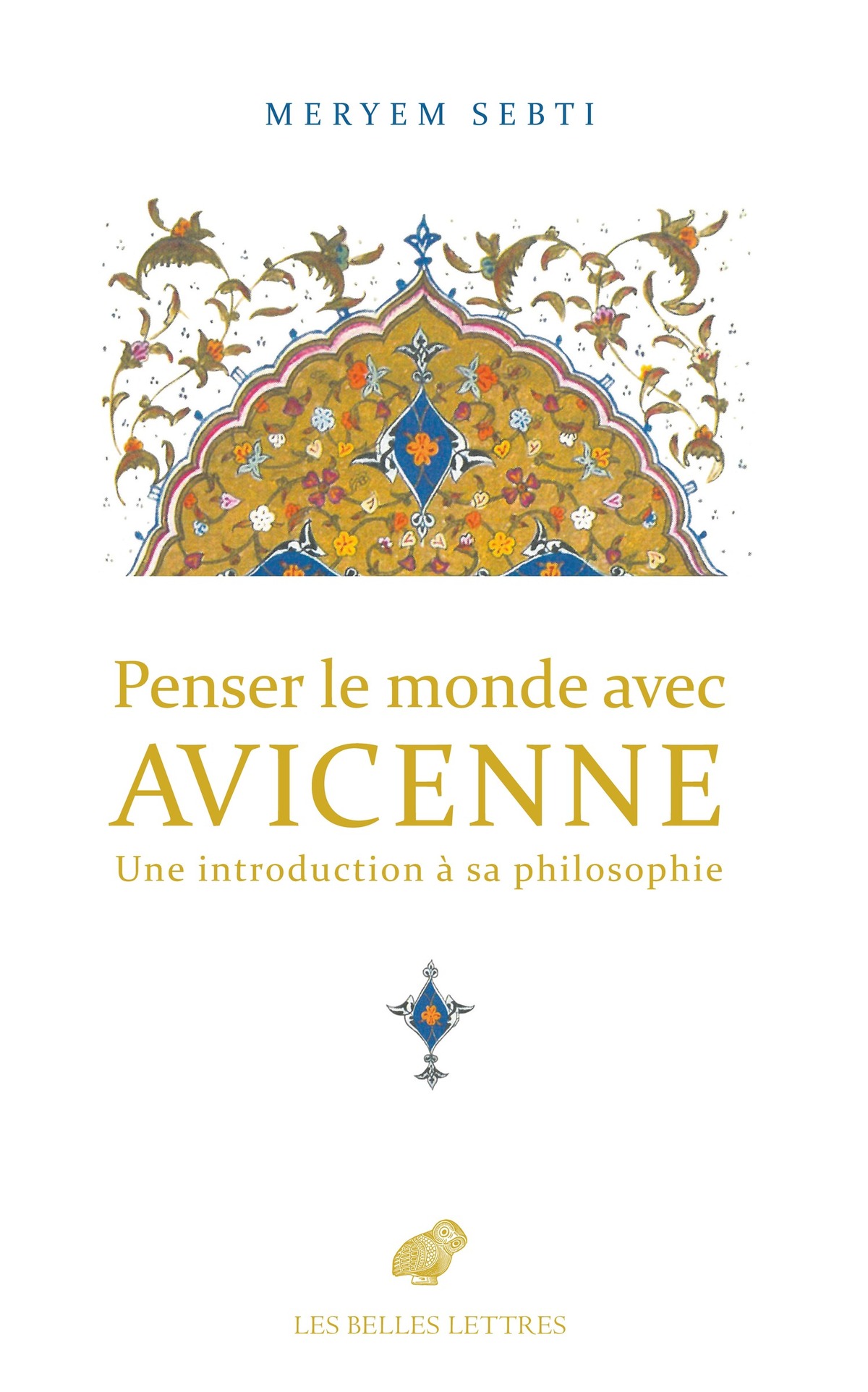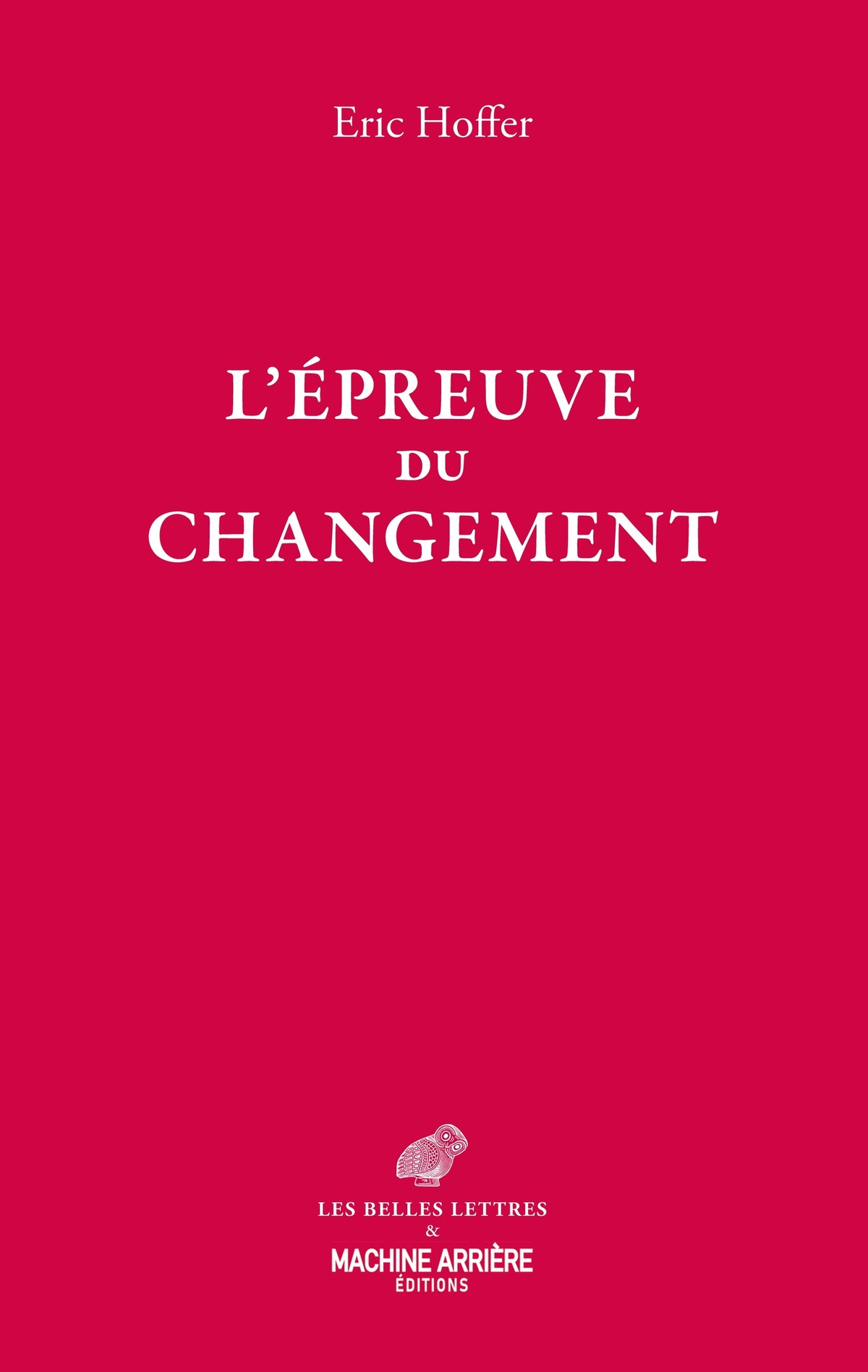

The publishing house "Les Belles Lettres" (Éditions Les Belles Lettres) represents a prominent intellectual landmark and one of the most important independent global references specializing in the revival of ancient literary and philosophical heritage as well as the humanities. The house was founded in the French capital, Paris, on June 17, 1919, in the aftermath of the First World War, following an initiative by the cultural "Guillaume Budé Association" and under the leadership of the famous Hellenist scholar Paul Mazon. This foundation stemmed from a clear French national and intellectual desire aimed at breaking the German academic monopoly that was dominant at the time in editing and publishing major classical texts. Since issuing its first volume of Plato's works in 1920, the house has established its cultural position as an enlightenment project seeking to link the present with the roots of human civilization.
The scholarly production of the house is anchored on its most prominent historical project, known as the "Collection of the Universities of France" or the "Budé Collection" (Collection Budé); this is a massive, unique library containing over a thousand ancient Greek and Latin classical texts. This series adopts a strict academic methodology based on presenting bilingual editions; the original text is printed in its ancient language on the left page, faced by a modern and precise French translation on the right page, supported by critical introductions, explanatory footnotes, and high-level historical verification supervised by an elite group of leading international scholars and editors. The house's interest was not limited only to the classical Western heritage, but its horizons gradually expanded to adopt a comprehensive humanistic tradition that opened up to Eastern classics; it launched major series such as the "Chinese Library", alongside translated texts from Sanskrit, Japanese, and Old French.
The general catalog of the house experienced a stunning expansion to go beyond ancient texts toward contemporary fields of the humanities and social sciences, through more than forty active series covering the fields of philosophy, religions, philology, the history of science and medicine, theater, and contemporary literature. To strengthen this presence and cover the demands of the cultural market, the institution is managed today as a joint-stock company under the leadership of Caroline Noirot, and includes under its umbrella several established integrated editorial imprints and publishing houses; most notably the foundational house "Klincksieck", whose history dates back to 1842, and specialized intellectual imprints such as "Encre Marine" and "Manitoba". The house also owns its own independent distribution network established in 2004 to serve its publications and those of other independent publishers, in addition to its management of the historic "Guillaume Budé Bookstore" in Paris, which is the only bookstore in Europe specializing exclusively in literature and historical sciences from antiquity to the Renaissance.
Despite the major catastrophe that befell the house in May 2002 following a massive fire in its warehouses that caused the destruction of more than three million books representing its entire historical inventory, it managed to rise again and reprint its unique catalog thanks to the solidarity of the global academic community, continuing today to produce around one hundred new titles annually. After more than a century of existence, this academic entity remains a solid knowledge bridge transferring the treasures of the human mind, from Homer, Aristotle, and Cicero to contemporary thinkers, in luxurious editions that combine artistic production quality with rigorous scholarly verification.