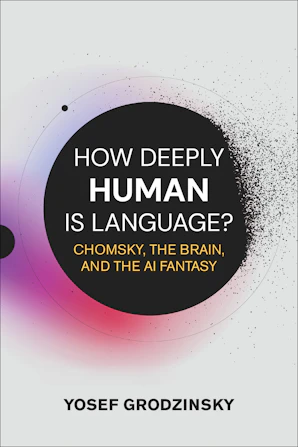
A leading neurolinguist explains linguistic theory and large language models—the leading candidates for understanding human language—and evaluates them in the context of the brain.
Founded by and inspired by Noam Chomsky, contemporary linguistics seeks to understand the defining feature of our humanity – language. Linguists develop powerful tools to discover how linguistic knowledge is acquired and how the brain uses it. As for AI experts, they use very diverse methods to create amazing neural networks - large language models (LLMs) such as...ChatGPT - They say they learn and use language like the rest of us.
Chomsky described large linguistic models as a “false promise.” Artificial intelligence pioneer Geoffrey Hinton has stated that “neural networks are far better at processing language than anything produced by the Chomsky school of linguistics.”
Who is right, and how do we know? Do we learn everything from scratch, or is some knowledge innate? Is our brain one big network, or is it built of modules, and language is one of them?In How Rooted is Language in Humanity?, Joseph Grudzinski explains both approaches and compares them to reality as evidenced by the engineering, linguistic, and neural records. The author takes readers on a journey through widely varying approaches, tools, and results from all of these fields. It seeks to find a common path forward, describing existing conflict, but also identifying potential points of contact and charting a joint research agenda that might unite these communities in a common effort to understand knowledge and learning in the brain.