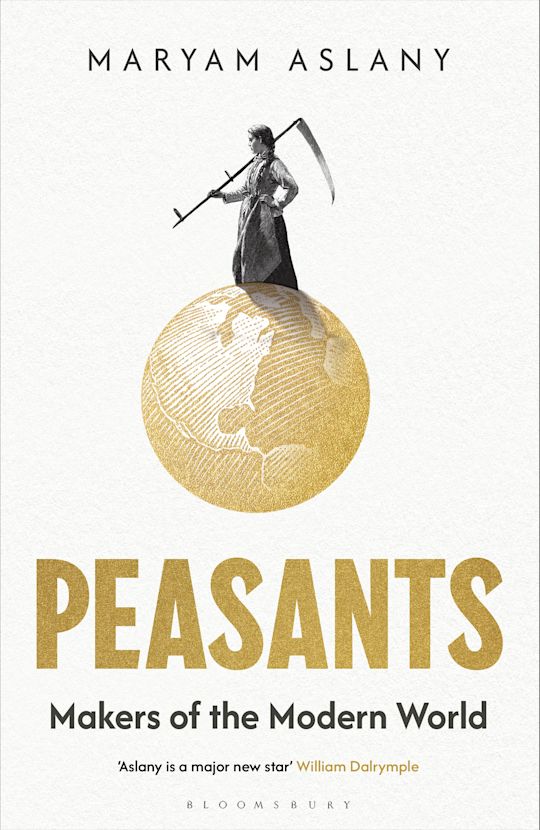
- Peasants: Makers of the Modern World *, by Bloomsbury Publishing, is a groundbreaking anthropological and historical study that revisits the peasantry and places it at the heart of the contemporary global historical and economic narrative. The book starts from refuting a common idea promoted by contemporary political and economic elites that peasant societies are notOnly remnants of the past have faded with industrial modernity; the author proves by numbers and field analysis that this workforce, which today comprises about two billion people and represents a quarter of humanity, is the main pillar of the current global economy by securing a third of food and protecting fragile ecosystems.\ [1, 2, 3, 4]The researcher takes the reader on a survey field trip that covered three continents by tracking the global supply chains of four basic strategic crops: sugar cane, rice, cocoa, and cocoa, as they move between the sugar cane fields in India, the rice plains in Cambodia, the coca valleys in Peru, and the cocoa belt in Ghana. Through this experience, Aslani reveals the details of the monopolistic and exploitative regimes that fuel free markets, and highlights the painful human stories from the reality of farmers and workersMigrants and smugglers driven by the collapse of livelihoods towards extremism or suicide, and women who bear the brunt of agricultural work amid families struggling daily on the edge of survival.\ [1, 5, 6]
The author does not only recount suffering, but warns that the insistence of the modern capitalist system on intensifying demand for cheap goods is pushing this vital and innovative workforce to the brink of total collapse, which is already beginning to emerge in the current crises of food insecurity.increasing mass migrations, and accelerating environmental degradation. Accordingly, the book concludes that the story of the countryside and the peasantry is not a separate history, but the essence of the present and the key to the environmental and future survival of all humanity.