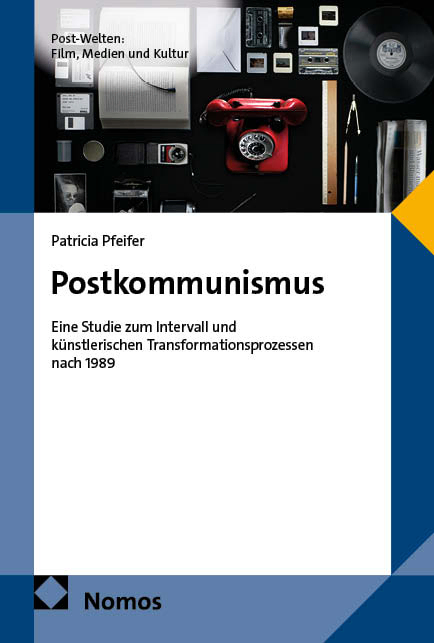
This study examines how the 1989 disturbances were aesthetically reflected. Drawing on artistic practices - not historical events - the study analyses the various methods used to depict processes of political and social transformation.
This study proceeds mainly from Romanian works, post-Yugoslavian works, and Hungarian works in contemporary art.The concept of the “intervening period” offers an insightful tool for redefining the political, historical, and epistemological transformations that followed 1989, which were also witnessed in art history and cinema theory.