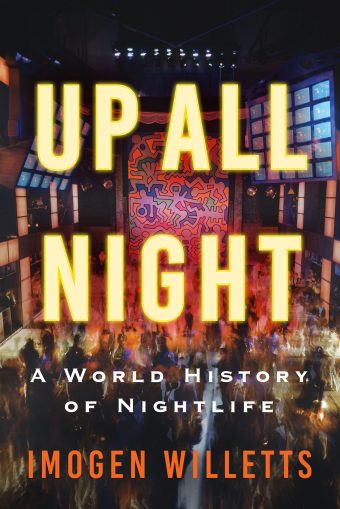
From the glamorous decadence of Studio 54 to the underground cabaret of Weimar Berlin, from the bustling pleasure gardens of Georgian London to the birth of techno in post-industrial Detroit, this book offers a brilliantly researched history covering four centuries of nightlife, and shows the intriguing evolution of how people went out after dark.There is an energy of its own. Cafes and shops are closing their doors. It's getting dark. “The air begins to tingle,” John Dos Passos wrote of New York in the 1920s. “It's the night when if you drink enough, talk enough, walk far enough, the magical train of events will begin.”
Nightlife, as party historian Imogen Willetts has defined it, is “a commercial and secular environment designed to offer a variety of pleasures at night.”The book traces its history to a surprising starting point: 17th-century Japan, in a remote party destination built outside the shogunate's capital. Since then, nightlife has been at the forefront of popular culture and self-expression, making cities famous, nurturing iconic countercultures, and growing into a multi-billion-dollar industry. However, its extensive history has remained largely untold.How did jazz develop in the dance halls of New Orleans at the turn of the century? What were parties like in Paris in the 1920s? Why were we so obsessed with the sheer chaos of the Los Angeles scene in the early 2000s? And what do we miss, in our increasingly online lives, when we pass up the opportunity for a big night out? Join party historian Imogen Willetts on a guided tour behind the velvet curtain of the craziest night in history.