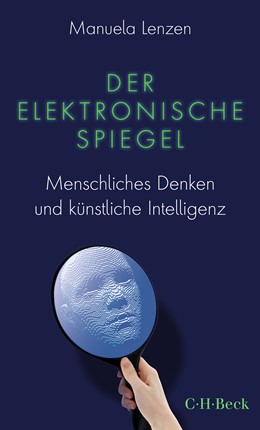
The Electronic Mirror explores the adventure of understanding intelligence through its simulation. Science journalist Manuela Lenzen takes us on a journey through the dynamic field of research at the intersection of psychology, neuroscience, biology, philosophy, and artificial intelligence. Artificial intelligence is still far from our level of intelligence. But precisely because of this, it can give us profound insights into how intelligence truly works and who we are.
While artificial intelligence is discussed everywhere, it is often overlooked that these intelligent machines were never intended solely to relieve us of tedious or dangerous tasks. From the outset, they were merely hypotheses about how the mind works—electronic mirrors through which humans, by observing their distorted reflections, could more clearly distinguish what constitutes intelligence and what does not. In the early days of AI research, the prevailing idea was that accurately describing human thought was sufficient to build intelligent machines. Seventy years later, a sense of disillusionment has set in: the greatest challenges lie not in winning chess or mentally manipulating geometric shapes, but in something as elusive as flexibility, creativity, and common sense—in understanding the situation and responding appropriately.